BONUS CONTENT: 5 Cult Games Worth Playing

We all get that once and a while. We find a gem of a game that we think is absolutely brilliant only for it not to get the recognition it deserves among the wider audience, be it due to mainstream critics who have missed the point of the game or the narrow demographic of the game itself. These are 5 games that I believe never got the credit they deserved, in no particular order.

Spec Ops: The Line:

This was a game that surprised me in a very good way. I originally went into it expecting a traditional modern 3rd person shooter, never to give the game a second thought after putting it do. Instead I’m still talking about it 8 years after it’s release. It’s story is nothing short of sublime and has yet to be topped by any shooter since. It’s obvious playing the game that the developers went into this game with a message to say, that war is not as black and white as previous games make it out to be. The game was let down a bit by it’s generic 3rd person gameplay style and it’s needlessly added bland multiplayer game but the strength of this game and one that gives it it’s cult following is it’s ability to put the gun in our hands then hold up the mirror to show us that there are no heroes in this story, just a different shade of grey.

Valkyria Chronicles:

Valkyria Chronicles was one of the first games I’d reviewed and it is one that has stuck with me since. The art style, the soundtrack, the gameplay, the story, there wasn’t all that many aspect of the game I didn’t enjoy. The lack of auto-save and the overabundance of unskipable cut scenes being the main two I can think of. Despite it’s mainly positive reviews the game never got the sales figures befitting of said reviews. I personally feel that this was because Sega didn’t have much faith in the game to be a success. With little to no marketing and being released within days of Fallout 3 and other major AAA titles doomed the game to be overlooked which given the quality of the game is more than a little unfair.

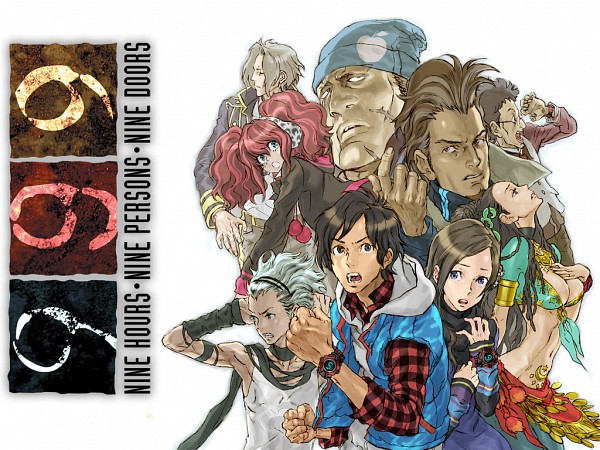
9 Hours, 9 Persons, 9 Doors:

I spoke about this briefly in my Zero Escape trilogy review. The game itself felt a little stop-start and the gameplay felt very one dimensional, but the solid story, well rounded characters and the fun and interesting puzzles kept the game from becoming stale. Since it’s initial release on the DS, the game has now been released on PS4 & PC making more accessible to new players.

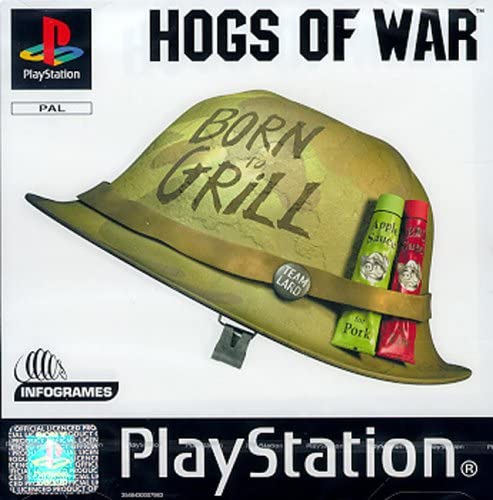
Hogs of War:

If you can find a copy of this game I strongly suggest you play it. If I were to describe it in a couple of words it would be “absolutely nuts”. The voice acting as well as the voice over from the dearly departed Rik Mayall are absolutely side-splitting and adds to it’s endearing antics. The game is over 20 years old and sadly it shows it, feeling particularly out dated when compared to games from the time.

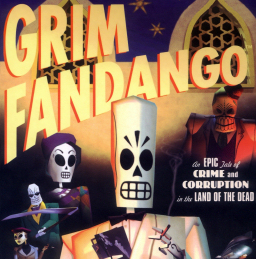
Grim Fandango:

I’m finding it hard to find the words to accurately describe Grim Fandango. It was a brilliant written, brilliantly executed story wrapped up in moments of drama and ludicrousness. Despite critical acclaim and a number of awards the game’s sales suffered due to the rise in popularity of more action based games at it’s time of release. This shift in the market meant that adventure games such as Grim Fandango & Monkey Island wouldn’t get the popularity I felt they deserved. A re-mastered version was released a few years ago to bring the experience to a new generation of gamers.

BONUS CONTENT: Player Personalities: What Gamers Want From Their Games

With my Game of the Year backlog done with, I can move on and discuss some more learned and thought provoking topics. For my bonus post this week I will be delving into The Bartle taxonomy of player types and scratching the surface as to what different gamer types enjoy the most from a game.

Richard Bartle is a British writer, professor and game researcher. In 1996 he wrote a research paper in response to what gameplay elements specific gamer types wanted from a MUD (Multi-User Dungeon). Since then, this breakdown can be used to look at player habits in both MMO’s and single player games. Bartle broke down gamers into 4 distinct different categories depending on whether a player acts or interacts when playing and whether this occurs with either the world or other players. For anything finding it difficult to follow, here is a helpful chart to help you follow.

You can see in the chart that each quarter represents a different category. Bartle originally assigned each of these categories as aa playing card suit. Achievers were Diamonds, Explorers were Spades, Socialisers were Hearts & Killers were Clubs. I’ve taken this concept even further and assigned them each a Hogwarts house as well. Achievers are Griffindor, Explorers are Ravenclaw, Socialisers are Hufflepuff & Killers are Slitherin.

(note: Achievers and Explorers have traits of both Ravenclaw and Griffindor and I had trouble deciding which way round to put them, I decided on this way in the end because it was my original thought and makes me feel a little bit happier being that way)

Achievers are the hard workers of gaming, enjoying the completing of tasks and objectives. They are the ones found trying to max out their achievements/trophies, getting the highest score, the best equipment or maximising their level. They tend to gravitate towards games with a bit more rigidity and structure, usually games that are more linear with less creative freedom. They usually be found grinding experience or equipment in games such as World of Warcraft or trying to get to the top of the leader board in games such as Call of Duty.

Explorers (such as myself) are the seekers of gaming. They are the ones that are found hunting the unexplored finding Easter Eggs or uncovering secrets of the game or world being played in, peeling back the veil to find the secrets that live within. We tend to enjoy games that feed that sense of exploration and discovery, large open games with lots of secrets or lore to discover. Games such as The Elder Scrolls or The Witcher are perfect for Explorer style gamers. Explorers tend to get bored of games quite quickly when they start to feel like a chore.

Socialisers are the extroverts of gaming and love games with more of a social aspect like meeting up with clan members in World of Warcraft or visiting friends in Animal Crossing. Socialisers tend to congregate with other Socialisers so sometimes you might find Socialisers spending more time as an active member of a games forum than actually playing the game.

Finally Killers are the trolls of gaming. They tend to be found making other players miserable and aren’t usually happy unless another playing is cursing them somewhere in the world. Killers are completely self-indulgent and treat the game as an ego trip & power-play a way to cement themselves as the best. They can usually be found picking off newly spawned players in Call of Duty or inhabiting an MMO’s weaker player areas killing off lower level players.

Developers will decide when making a game on what kind of balance they want to achieve . As an unbalanced game can lead to an unbalanced player base which will increase the longer the issue remains unsolved, for example an over abundance of Killer type players can put off a lot or Achiever and Socialiser type gamers.

There are many general correlations between how the rise and hall of each player base effects the others but as this can be a bit complex and this is just an overview I may leave that for another time. I hope that this will give some food for thought and that any new and aspiring game developers reading this will gain a better understanding into making a game more accessible for all types of players.

Micro-transactions: The Real Cost of Video Games

The video games industry has seen a huge rise in the number of games containing micro-transaction in the last 10 years, so much so that they are starting to become a norm. Although, what effect are they having on the industry? Are they being used to heighten the gaming experience or are they a cash grab to ring out as much money from the player as possible?

Micro-transaction are an in-game option where the player can purchase in-game items such as loot boxes, player skins, in game currency etc. for real world currency. They are predominantly popular in free-to-play games but have made their way in recent years over to larger AAA games. Depending on the items or the game in question these purchases can range from a few pence to hundreds of pounds.

There have been many problems with Micro-transactions through the years, however the biggest problem I have with micro-transactions is the cost of some of them. I have played games where prices for micro-transactions have gone into the hundreds of pounds (cost that high kind of defeats the point of the ‘micro’ part of micro-transactions). I get that there will be people out there to whom a few hundred pounds is pocket change but to the rest of us mere mortals £100 is a significant amount of money and not an amount I would spend on purchasing a whole game let along items within a game. This is especially a problem when you consider that there are micro-transactions of this value in games that are also aimed at kids. There have been so many horror stories about children taking thousands from their parents accounts when playing games such as FIFA or GTA. In fact I personally know of someone who spent nearly £200 of their parents money in micro-transactions on GTA Online not knowing that they were spending real money.

Another major problem I have with them is the pressure some players are under to make micro-transactions. The 2 greatest pressures are gameplay pressures and social pressures. Gameplay pressure can be found a lot in pay-to-win games where players who pay have an advantage over those who don’t which leads to paying players getting better rewards which gives them more of an advantage with the cycle growing exponentially the longer the game is played leading to a larger gap between paying and non-paying players. I found this first hand when I played FIFA Ultimate Team in FIFA 18. It got to the point where no matter how much I played I couldn’t improve my team because I couldn’t beat other teams who had world class players in order to gain the rewards that included the packs that these world class players were in. The only way it seemed was to pay for the packs directly, the pack with the greatest odds of me getting the best players in the game cost roughly about £70 and after doing some research I saw that these packs only had a 2.5% chance of getting the best cards. You’d need 20 packs to have a 50% chance of getting a world class card, which would cost you £1400. It was because I was stuck in progressing my team & refusing to pay for any of the packs that the game lost all interest for me and I quit playing soon after. I also never bought a FIFA game since nor have I had the desire to. Social pressure comes from other players influencing the player to make purchases. As in games such as Fortnite players using default or free skins are usually labelled as being financially poor or bad at the game. These social pressures play on peoples insecurities and will cause people to make purchases they might not particularly want to or can’t afford in order to fit in.

As I stated in my previous posts I see why developers are including micro transactions in video games. The idea that it allows those people who can afford to pay more for video games can in a way subsidise the price for those who aren’t as well off. Sadly however, this doesn’t seem to be the case. A survey carried out by Parent Zone on 1001 children in the U.K. between the ages of 10-16 found that 76% of them agreed that online games try and make players spend as much money as possible. Personally I think a few developers rip off their players because they can get away with it. Not that I am painting all developers with the same brush, there are some examples of how micro-transactions can be implemented correctly but sadly they get overshadowed by the numbers of occasions that they are used unfairly. Fallout Shelter is one of my prime examples of good use of micro-transactions, players can buy lunchboxes which contain extra game items such as weapons, armour and characters. Lunchboxes can also be gained by grinding in-game too. This means that although micro-transactions are available the game is still totally playable without needing to purchase them, they become more a tool of convenience than a necessary part of the game.

Whether you love them or hate them, I don’t think micro-transactions are going anyway any time soon. They are too much of a cash cow, in fact in 2016 EA recorded over $1.3billion in revenue from micro-transactions across their entire catalogue that year. These levels of revenue also means that developers would rather prolong the life of existing games that is making money than take a risk on new IP’s that could potentially make a loss financially. This can be seen in GTAV, despite being 7 years since it’s initial release on the 360 and PS3, the game (especially GTAOnline) continues to generate massive revenues, according to Tweak Town in 2019 GTAOnline generated $595million in revenue through digital in-game content alone. This will only increase with the release of the game on the PS5 & Xbox Series S/X later in the year. Looking at it this way you can see why they are not putting a rush on GTA6. I just hope that the industry doesn’t start to stagnate because of this. Although looking back at the games I’ve reviewed from this year I don’t think it’s going to be too far off.

Loot Boxes: A Chance Worth Taking?

I was originally going to lump Loot Boxes and Micro-Transaction together and have one article that covered both but in the end I just wouldn’t have been able to do both topics justice if I watered them both down for one piece. There is far too much to say on both subjects, so as such they are both getting their own spotlight. Plus since I quite enjoyed the change of tone in my article about conflict minerals I’ve decided I wanted to ride the momentum of this wave and see how many more pieces I can fire out before it subsides.

Loot Boxes (for those who are unaware), are items in video games that contain random loot which can vary from cosmetic items (such as skins or costumes), gameplay items (such as weapons or characters) or in game currency. How to achieve Loot Boxes varies from game to game but the usual methods are through in-game achievements (such as levelling up your character or team) or by purchasing them using either in-game or real currency.

In a number of countries across the globe there have been discussions raised asking whether or not Loot Boxes are a form of gambling due to the rising numbers of video games containing them that are aimed at children as well as the addictive nature that surrounds them. People who are pro Loot Boxes will argue that they are not gambling as you cannot trade your Loot Box prizes for real currency in the same way as casino chips for example, plus since you are guaranteed a set number of prizes for each loot box there is no risk of loss, much in the same way as a toy gumball machine will always guarantee you a prize. On the other hand however, those opposed to them will tell you that since they are a game of chance and the addictive nature of them, they should be classed as gambling and as such not marketed to children.

I personally think the subject is far too complex to sit wholly on one side or the other. I personally don’t think they should be classed as gambling. I see loot boxes in the same light as Pokemon cards or football stickers but nobody’s been in an uproar about these being a form of gambling. The main thing to me is that in gambling there is an element of winning and losing. You can get a return on your stake or you can loose it, this isn’t true with Loot Boxes. Like trading cards you are guaranteed a set number of rewards, you don’t get any more or less each time you buy. It’s also true that some items will be rarer than others but in the end you still get something. With this in mind, a tombola is closer akin to gambling than loot boxes but we still let our kids buy tickets.

That’s not to say that there isn’t a problem with loot boxes in their current format. The biggest being that even if there is debate about whether or not they are classed as gambling, they still create the same feeling that gambling does, which can lead to gambling addiction. This can potentially be dangerous, especially since a lot of games with loot boxes are available to children, who are more mentally susceptible to addiction. This is what leads some people into spending thousands on loot boxes and other micro-transactions (I will go into this in more depth in my post on Micro-transactions).

So how do people get addicted to loot boxes? It’s the same way people get addicted to gambling, some people win big and get one of the rarest items and continue buying in order to re-create that winning feeling, some will keep playing because they have had poor box after poor box and will keep going wishing to “recoup their losses” or that “the next one will be the winner”. There are many reasons but what most of them have in common is that they all chase some sort of reward and a sense of a high that comes with it. As these players “win” more they can become desensitised to winning causing them to take higher risks in order to maintain the same states of euphoria.

I understand why the games industry has shifted to including elements like loot boxes and micro-transactions. With the rising development costs as games get bigger and require more staff and resources. In order to keep the game costs low for the gamers, developers have to subsidise the cost by generating revenue elsewhere. Back in 2016 US$650million was spent on EA’s Ultimate Team Player Packs across all their sports games, accounting for about half of EA’s entire micro-transaction revenue that year.

I do believe that the games industry should be doing more to combat problems caused by loot boxes. They should be making sure that those who buy loot boxes can do so in such a manner that it is sustainable. Games should be just as playable with or without loot boxes in order to allow them to be an addition to the game rather than one of it’s major components. Warnings should be provided to help warn both gamers and parents about the contents of the games they are playing or buying for their children, and support should be made available to those who need help. Laws should be put in place to enforce this as well. Here in the UK the Gambling Act was last updated in 2005, long before anyone saw the rise of loot boxes. In the case of children, parents should take an active interest in the games their children play and the content within them. Being a little game savvy will help both you understand the games your kids are playing and also provide a new ground of common interest. If we all band together and do our bit we can protect the most vulnerable among us without sacrificing on the games we love.

Conflict Minerals: How Ethical are Video Games?

If you’re looking for my usual light headed, more humorous writing style this week then sadly, this isn’t your week. The topic I’m bring forward today is a very serious one. The fighting in The Democratic Republic of Congo is very real and still goes on to this day, some 25 years on, in some of the deadliest fighting since World War 2. With some estimating more than 4.5 million people being killed in the conflict so far.

The idea for this post came from an episode of Extra Credit I was watching whilst playing Command & Conquer for it’s review. I had never really given much thought as to where my consoles have come from other than “From a factory somewhere”. Obviously the minerals required for the components that make them have to come from somewhere, so stay with me as we pull back the curtain on the shadier side of the gaming industry.

Conflict minerals are raw materials that have been gathered from within conflict zones to which the profits of the sale of these materials are used to perpetuate the fighting. They are similar to blood diamonds which is a much more well known phenomenon. The 4 most common conflict materials are Gold ore, Cassiterite (an ore of Tin), Wolframite (an ore of Tungsten) & Coltan (an ore of Tantalum); However, conflict minerals are not exclusive to these minerals. The problem of conflict minerals and the mining of them is huge in the Democratic Republic of Congo, where there is estimated to be untapped mineral deposits valued in excess of $24 trillion ($24,000,000,000,000). The mines themselves are usually family or village run operations but rebel groups, private militia, terrorist cells and armed forces profit from the theft, illegal taxing and smuggling of these minerals. These bands will either take complete control of a mining operation or demand a cut. If the miners refuse these forces have been know to decimate entire villages, kidnaped children as slaves or child soldiers and use rape as a weapon of war.

This is a huge problem for both the games industry and the electronics industry as a whole since a lot of the minerals stated are used in the manufacture of electrical components, which in turn is used in all our electronic devices. Gold is used in the coating of wiring, Tin is the main component in solder, Tungsten is used to create vibrations and Tantalum is used to allow a device to hold a charge. Fortunately enough this is a situation that is starting to be addressed. Both the US and EU have put into law the investigation of supply chains and forcing companies to disclose whether or not conflict minerals are being used in their products. These laws are been embraced and real effort is being made by the industry to audit their supply chains in order to weed out conflict materials. Intel was one of the first to embrace the move away from conflict minerals and has been free from conflict materials for the past 6 years. Both Sony and Microsoft have also made positive steps in eliminating conflict materials in their supply chain, both going so far as to specifically name every one of their smelters or refineries (SORs) in their public audit reports in efforts to show that their resources are conflict free. Apple too confirmed that in 2015 all 242 of the SORs they purchased from were conflict free and have done so every year since, in fact the following year they stopped business with 10 of these SORs because they didn’t participate in the audit.

Now the elephant in the room, you may or may not noticed that I have yet to name drop Nintendo into this discussion. Back in 2012 when the first conflict minerals company rankings were compiled from a report put together by the Enough Project as part of the Raise Hope for Congo campaign. Nintendo finished dead last with a score of 0, stating that.

“Despite growing public awareness about this issue and significant industry movement, Nintendo has made no known effort to trace or audit its supply chain,”

Sasha Lezhnev and Alex Hellmuth August 2012

This isn’t to say that Nintendo actively used conflict materials, it just shows that they didn’t prove they didn’t use them. It’s more likely that they were burying their heads in the sand from the problem. This however does nothing to ease the minds of the public and Nintendo’s fan base. It makes the company look more guilty than it probably is which in turn causes doubt and worry in those who are loyal fans of the company, especially in todays ethical driven society.

In fairness thought this was 8 years ago and improvements have been made by Nintendo since then, be it minimal. In it’s most recent report (August 2019). Nintendo stated that out of the 323 SORs that sources Tungsten, Tin, Tantalum & Gold (3TGs) it got responses from every single one, however only 256 (79%) were identified as meeting an industrial standard in regards to auditing and ethical sourcing. It is true to say that Nintendo has been improving (they were up from 76% last year, 74% the year before that) but when you consider that Nintendo has had the same amount of time to address the problem as the rest of the world but is still dragging it’s heels, it’s not exactly a great improvement. It feels like the attitude Nintendo is taking is one of doing no more than they have to. A great example of this is that the majority of companies higher up the ranking (Apple & Microsoft to name but a few) actively contribute money and resources to efforts to eliminate conflict 3TGs from the supply chain and provide funds to audit SORs as to their ethical resource sourcing . Nintendo on the other hand does nothing of the sort, it seems their contribution to the eliminating the problem is to show how they are not giving to the conflict and if you ask me that’s morally ambiguous at best. This behaviour however, doesn’t prove that Nintendo have blood on their hands, but they are hiding them so well that they are unable to prove that they don’t.

I’ve mentioned what the industry has done to root out the problem but what can we do as consumers? One thing we can do is to look at more than the financial cost of a device or console. Look at it this way, if one company releases a laptop of specific specs and another less reputable company releases another laptop of the same specs at the fraction of the price, ask yourself where that extra money is going. Is it going toward a higher quality product or maybe is it going towards more ethical resourcing and manufacturing? Sometimes you may be paying less financially but there might be an ethical price to your cheaper tech. That’s not to say all cheap products fuel conflict, just that we should be more aware of the products we buy and the companies that make these products or the ones that sell them to us. If we change our spending habits, look into making more ethical choices in our purchases we can be a driving force for the industry and force change in those companies unwilling to improve ethically, because the best way at fighting unethical companies is to hit them where it hurts, their bottom line.

Metacritic’s “Must Play” PS4 Games?

So to quote the guys from Monty Python “And now for something completely different”. I’m still too poor to splash out on some new game. Believe it or not nobody pays me to do this. Therefore I don’t have £40 to spend on The Last of Us Part 2, so I improvise. I saw recently an article claiming to state “The Top 30 PS4 games you must play”. Now, those who know me will know how much I don’t like being told I ‘must’ do something, but this gave me an idea. I would take from Metacritic the top 10 rated PS4 games I have played and in a short paragraph mention if it’s a must play or not. Just as a disclaimer, the numbers I’m using are the rankings on Metacritic so in the case that I miss a number I’ve either not played it or not played it enough to warrant a decent opinion.

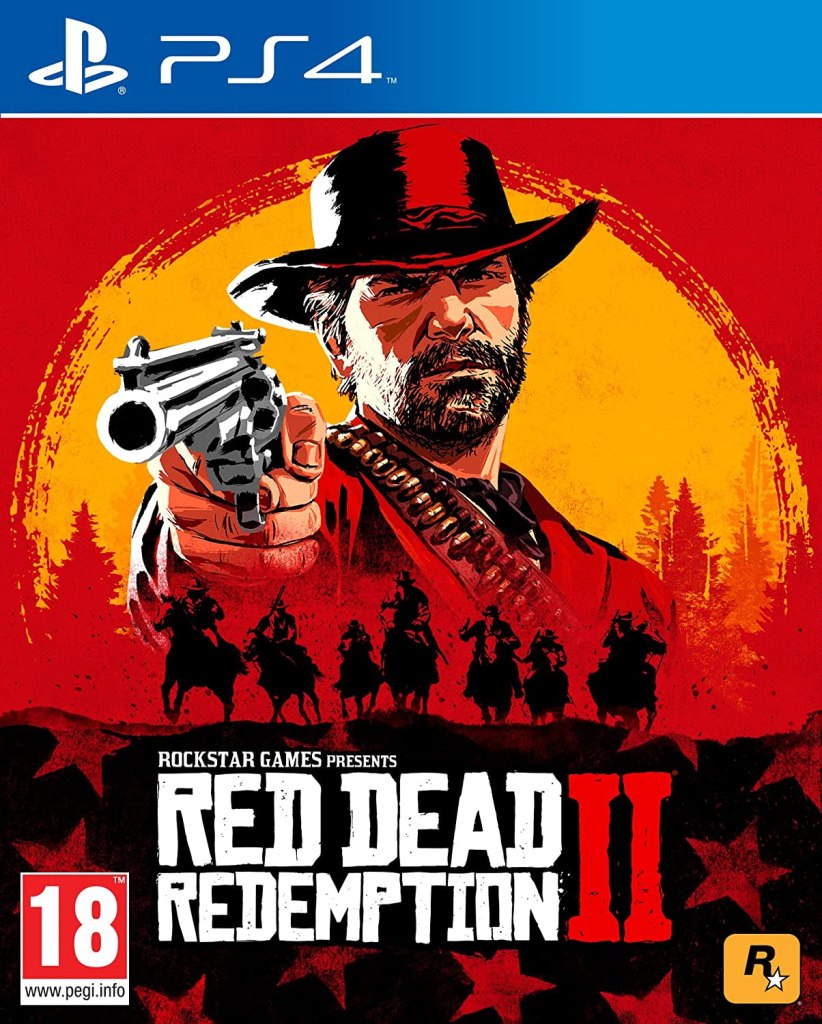
1) Read dead redemption 2:

A strong contender straight out of the gate. Red Dead 2 was a game that I took great enjoyment from playing. I got to the end of the story but there are so many collectables and side quests that I could probably put another 100+ hours into it and still be short of the platinum trophy. As far as a must play goes I would probably say that it is. The single player is engaging and full of content, there is also the multiplayer as well if you’re into that sort of thing.

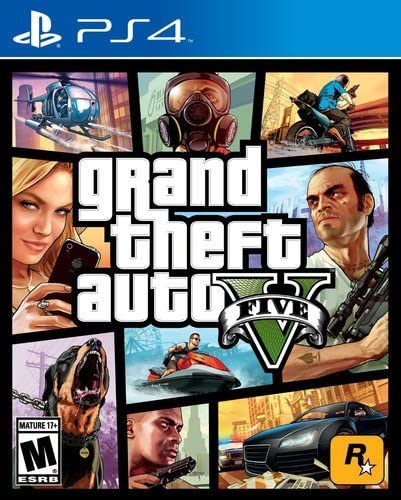
2) Grand Theft Auto V

GTA V was one of the games that I got in the bundle with my original PS4 (along with Drive Club, The Last of Us Remastered & a copy of Dawn of the Planet of the Apes on BluRay). I don’t think my feelings for GTA V are as strong as they are for Red Dead 2. Red Dead had the stronger story and looked that much crisper which may be due to it being native to the current generations rather than a port like GTA. Although on it’s own merits I’d probably recommend you play it, again there is the multiplayer which is one of the few multiplayer games I’ve partaken in.

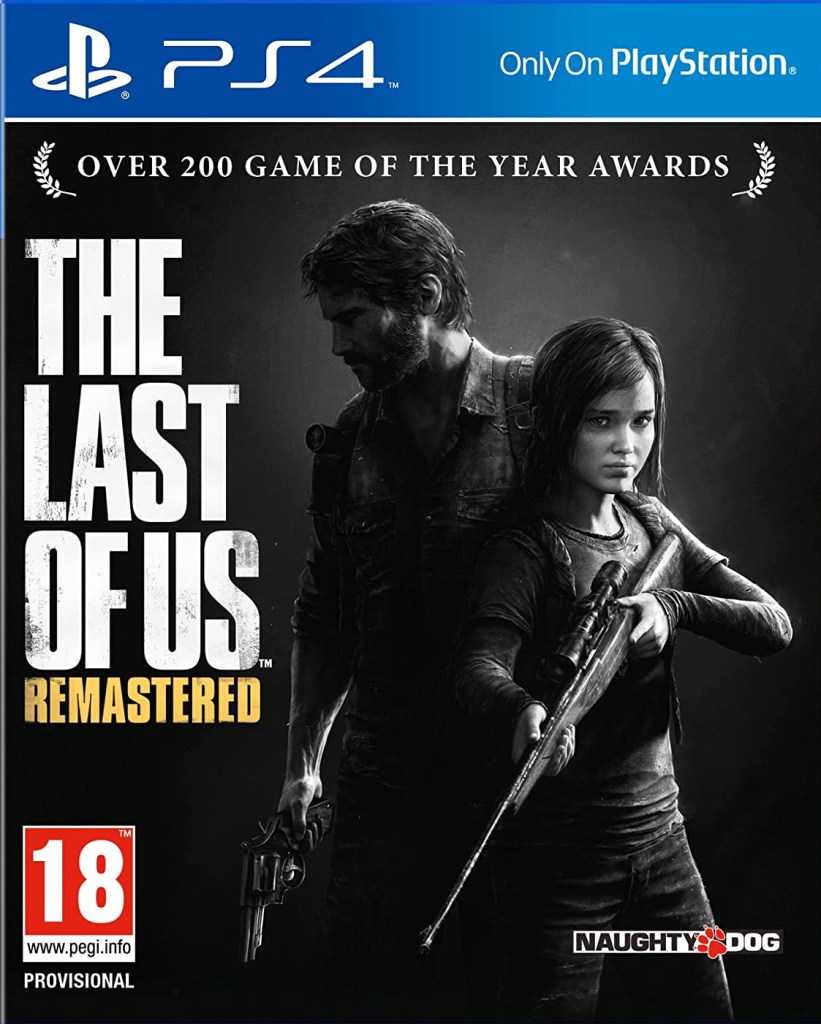
4) The Last of Us Remastered

I first played The Last of Us on the PS3 when it was first released and I enjoyed it for the most part. Besides a few pacing niggles, the story was gripping, the atmosphere was intense and graphically it was brilliant (even more so on the PS4). I reviewed it some years ago and gave it my game of the year back then as did 200+ other more reputable institutes. Therefore it’s a recommendation from me.

5)God of War

Yes, Yes, Yes, Yes and 1000 times yes. If I was running my Game of the Year back in 2018 this would have been my choice hands down. The story may have been a bit disjointed at times but everything else it did so well that it was forgiven. The environments are just stunning, It has immersion to spare and the gameplay is some of the cleanest outside the Batman Arkham games. Did I mention that I recommend it.

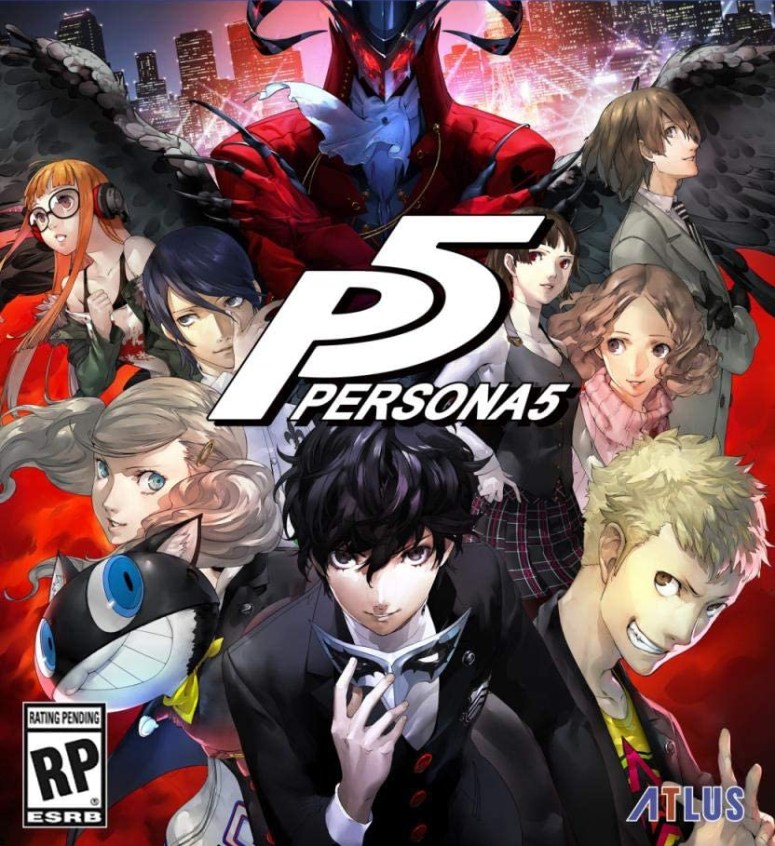
7) Persona 5

Now this one surprises me. There were many other games I would have expected to rank higher than this one but it is what it is. As I mentioned in my review of it, the game is solid enough but I’m not sure if I would categorise it as a “Must Play”. It’s quite a niche game and I imagine more than a few people would be irritated by the games choppy, stop-start gameplay and story telling. If you’re into all things Japanese then be my guest, otherwise I’d understand if you leave it.

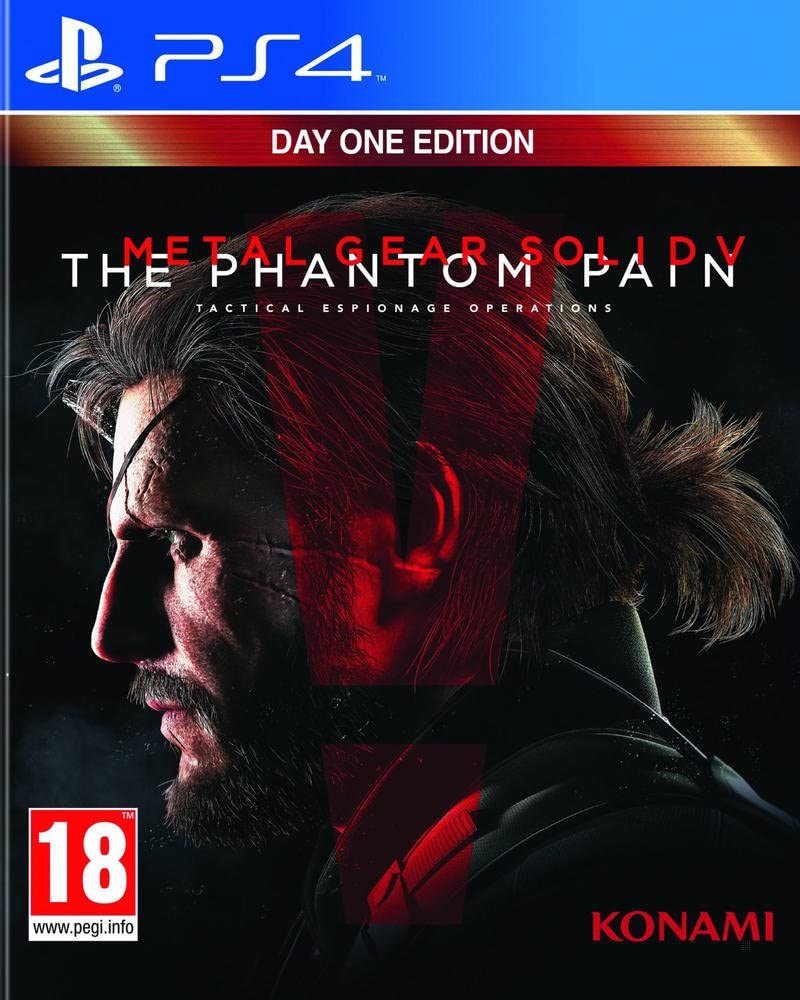
8)Metal Gear Solid V: The Phantom Pain

Now, I have an issue with The Phantom Pain. Before it’s release and watching the trailers I was sold on the game. It promised to be an open world MGS game, yes please. Sadly though what we got was open world with a big ol’ asterisk and in doing so broke the flow of the game. This bummed me out big time. I don’t think I would call it a “Must Play” but if your a fan of the series it’s still one of the best of them.

9)Uncharted 4: A Thief’s End

Uncharted 4 to me is a game that shouldn’t have existed other than to have an Uncharted game on the PS4. It added nothing to the series, It was just another Uncharted game which looked nicer. It may have rounded off the whole Nathan Drake saga a lot better than the 3rd one did but it didn’t need to. If you are a fan of the series I’d play it just to finish it all off but to the rest of us I wouldn’t call it a “Must Play”.

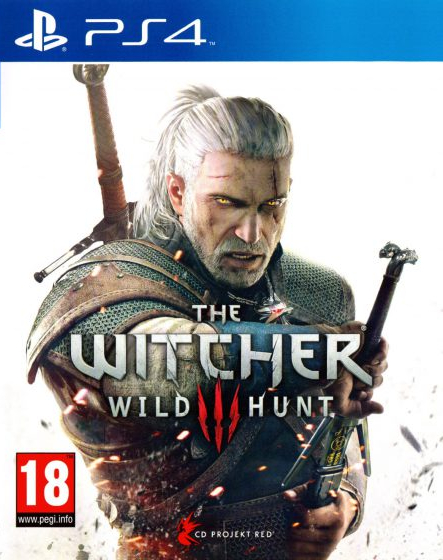
13) The Witcher 3: The Wild Hunt

The Witcher 3 was a game I could really get my teeth into. My previous experience with The Witcher series came from playing the original game for a couple of hours and watching the Netflix series. It took me a little while to get the lore of the game but once I did I was fully immersed into the life of Geralt of Rivia. As such I would give the game a “Must Play” for those with and without prior experience of the series.

21) Resident Evil 2

Here we have a great example of how a game should be re-imagined. Everything I loved about the original is there with improved game-play and graphics. One of my few flaws in the game was that I couldn’t enjoy it for longer. I’d have given it my Game of the Year for 2019 had I been giving out awards then. Without a shadow of a doubt I would give it a “Must Play” stamp of approval.

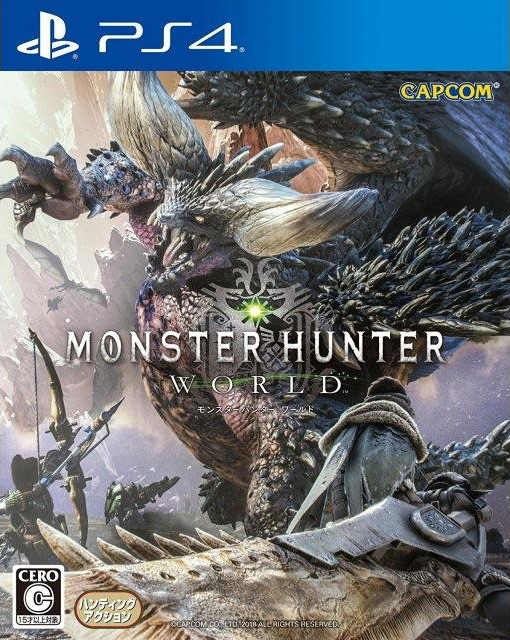
28) Monster Hunter World

This was the first Monster Hunter I played in the series, but I’ve seen friends play some of the older ones so it wasn’t like I went in unaware of what awaited me. I put in far more hours then I thought I would have before I started. If you enjoy a challenge, and/or have a love of micromanagement and cats I’d recommend it. If you fall outside this Venn diagram then you’ll probably be better off with something else, therefore for the reason that I couldn’t recommend it to everyone I don’t think I could call it a “Must Play”

In conclusion. Metacritic gave all 10 of these games it’s “Must Play” stamp of approval, I would only have to agree with 6 of the 10. I do believe however there are a number of other games that should be worthy of a play through by any PS4 owner. The first one that come to mind is Horizon Zero Dawn. It is a good, solid game and I would recommend it to anyone who has a PS4. Metacrtic ranks it in 46th which in my opinion is very harsh. Next one I’d recommend would be Marvel’s Spider-Man, Metacritic has this at 77th which to me feels very much like a slap in the face. True the game is not perfect, but what the game does best is that it is fun. The swinging mechanics are so smooth and fluid that you’ll find yourself taking wrong turns just so you can keep at it. If you are a person that likes having fun, I’d say get it. Although in the end it all depends on each person’s tastes and preferences. Even games I’ve stated as “Must Plays” will find people who dislike it. I don’t think there will ever be one game that will be universally loved by everyone. As the saying goes “You can please some of the people all the time and all the people some of the time but you can never please all the people all the time”, in short “Haters gonna hate”.

My Guilty Pleasure: Dynasty Warriors

I’m going to stray a little off course with this one. Having spent most of my time playing games I’ve either already spoken about or have no intention of doing so, I was struggling for a new topic to write about. That was until Sony was nice enough to give me £10 to spend in store because I’ve been a PSPlus member for so long. With pocket change in tow I decided to buy Dynasty Warriors 8 Xtreme Legends. As I waited for the game to download I reflected on the series as a whole and why it

I remember back in the year 2000, a time when Tamagotchis and Pokemon cards dominated the school playground, Britney Spears dominated the charts but more relevant to this story, a time when video game magazines came with demo disks. I remember on one of these said disks was a demo for a game my brother and I had never heard of called Dynasty Warriors 2, upon first playing it we both we were hooked and played that same demo on repeat for hours on end. So imagine our faces when my little brother with birthday money in hand and I walk into Woolworth’s and see Dynasty Warriors 3 on the shelf. It was like Christmas in July. I remember how excited we were getting home to play it, It was also one of few occasions where I didn’t mind being player 2 (this was a rarity, but I didn’t put up the money for it so it was only fair). Little did I know that 20 years later I would still be bashing square like my life depended on it.

I think a lot of my fondness for the series comes from this story and the enjoyment I got from playing video games with another person physically next to me. Much like when we would link our 2 PlayStations together, bring down the TV in the bedroom to the living room and play Command & Conquer Red Alert Skirmishes together. It truly wasn’t because the Dynasty Warriors games were very good. They are terribly written/translated, graphically poor and repetitive. The thing they do manage very well however is that they are fun. Each of the characters, especially in the later games have very varied fighting styles and as such it’s easy to have favourites.

For anyone who hasn’t played a Dynasty Warriors game, the game is loosely based on the historical period in ancient China between the years 220–280 AD known as “The Three Kingdoms Period”. During this period the 3 main states of Wei, Wu & Shu fought for rule over the whole of China. You play as one of 50+ officers with varying different arrays of weapons some historically accurate, others not so much and play in various battles and skirmishes, during which you have to complete various objectives depending on the battle in question. The gameplay is straight forward, run around the map pressing square until things die, sometimes pressing triangle to shake your combos up and repeat until the battle is over. It’s simple, it’s fun and a great way to work off excess stress.

As the series went on each game started feeling quite different from the one that came before it. Each new title tended to add more characters to play as well as different weapon systems, enhanced graphics, new battles and re-imagined battles. They also tend to bring out new game modes but in all honesty I rarely ever play them more than a handful of times compared to the story mode (which is the bread and butter of the series).

If asked between Dynasty Warriors 3-8 to give a favourite I’d have to say DW4. I was originally going to say DW3 but in the end changed my mind because although I did prefer the weapon system from DW3 (people with similar weapon styles shared Lvl 1-2 weapons then got their own unique weapons from Lvl3 onward, while DW4 each character has one weapon that levels up with them) and that each character had their own story mode as opposed to each faction in DW4, as far as game-play and story telling goes DW4 took everything good about DW3 then tweaked and polished it making it a superior experience. Sadly since then it’s just been constant changing, “fixing” and arbitrary padding. The series has had it’s ups and downs since then but has never quite reach the heights of DW4.

A final thought. Where does the future hold for the Dynasty Warriors Series? I’ve yet to play DW9 and given the first reviews I was very reluctant to do so. I saw the poor scores come in for it and they put me off, however reading some of the reviews I found that some of the main problems were not with the core game itself but the way it runs (mainly in dreadful low frame rate and severe graphical issues). I might try it out sooner rather than later and set the record straight (or become another voice in the crowd, only time will tell). Then again the series didn’t get everything right the first time when it changed from the beat-em-up style of the first game to the hack-n-slash it’s become since then. Let’s hope a few more instalment will bring in a few more improvements and bring us back to the series back to the dizzying heights I remember.

EDIT: Upon completion of this article I downloaded the trial version of DW9 and I must agree that it plays awfully. The voice acting is dreadful (even for a Dynasty Warriors game), once you start combat with any more than a dozen enemies then the frame rate drops to an almost unplayable level. The open world aspect is missing a huge asterisks after it as it’s separated into 4/5 open worlds depending on the point in the story. Overall I do think if the aforementioned details can be fixed then it could be a step in the right direction for a series that has gone past stale and started to grow green spots of mould.

Women in Computer games.

I’m going to be a bit different with this entry. Rather than pick out a game, play it and tell you how much fun I didn’t have, instead I’m going to divulge a topic and make relevant and interesting comments based on personal opinion and common curiosities… Ok you got me, I’m talking shit, but I still want to discuss the role the female gender plays in past and present computer games.

I’m doing this because recently I was searching the internet and found a forum to which one of the topics was “Arbitrary list of three of the top most important female characters in games … EVER”, to which my only choices were:

  • Terra from Final Fantasy VI
  • Mystique from X-Men
  • Adja from Asheron’s Call

I thought about it for a second then realised that none of them I could call the “Most important female characters in gaming EVAR!!1!” For starters Mystique has been a well based character in the Marvel Universe since the late 70’s and bar from a handful of appearances in various X-Men games hasn’t really given much in the way of innovation. I bet Barbie has played a bigger role in cementing females in computer games than Mystique (she’s probably got more computer games appearances than any other female character). Before visiting said forum I had never heard of Asheron’s Call, but apparently it’s an MMORPG released 12 years ago. Since I’ve never heard of it, it couldn’t have been that important (not that I have my finger on the pulse of the gaming industry, I’m just suggesting that as an average gamer I’ve never heard of it so most average gamers wouldn’t have heard of it either). In the case of Terra, although she was the first female lead character in the series, this was back before Final Fantasy had hit the mainstream so her contribution to females in gaming as a whole was rather small.

That shoots down the choices that were given, now time to validate my argument by throwing into the mix candidates that are much more integral to the evolution of the role of women in video games. I’ll start at a logical point, the beginning.

1) Princess Peach – Mario

The female lead of many of Mario and Luigi’s adventures and quests. Constantly being kidnapped by Bowser, but weirdly enough she will still go go-karting with him and play tennis as well as various other sports… Go figure. Anyway, back to the point. It’s this constant kidnapping that gives Mario purpose. If it wasn’t for Peach, Mario & Luigi would still be living in Brooklyn fixing leaky pipes for a living. Either that or Mario would still be beating up Bowser for no other reason than he looks different… and that’s racist. So there you go, if it wasn’t for Peach, Mario would be an Italian, dino-bashing racist, and that just wouldn’t sell.

2) Samus Aran – Metroid

The ironclad mistress of the Metroid series. Samus has made a huge contribution in video gaming history in being the first serious female lead in a computer game series. The best thing about this fact though is that through the whole course of the game, the player tends to assume that the character they are playing as is a guy. Once you finish the game however, off comes the helmet to unveil a smoking hot blonde bombshell. I mean she is pretty good looking as far as 8-bit is concerned. It’s just a total mind fuck, that’s what I love about it. Although the fact that she hid that she was a woman until the very end could be misinterpreted for her being ashamed of being a woman, but never the less. She put a foot in the door for video game women as lead characters.

3) Aerith Gainsborough – Final Fantasy VII:

 Aerith helped video game women in a strange way. She levelled the playing field and showed that women can be on par with men… by dying. This act of self-sacrifice went to show that women are not wrapped in bubble wrap and like the rest of us are at the mercy of this mortal coil. Through the course of the game both male and female characters are hacked ,slashed, shot, mugged, flattened, bitten, chewed, etc. but true death was never really on the cards, a quick phoenix down or life spell and bang, you’re back on your feet ready for more. True, this isn’t the first time Square had a main character killed off mid game, but with Aerith it wasn’t just because she was the first female main character to die, but she’s also never replaced by another character. So you could use her throughout the game, get her final limit break and weapon only to have to go through the rest of the game without her, a bit of a kick in the teeth don’t you think?

4) Lara Croft – Tomb Raider:

The big one. Lara Croft (much like Samus) made huge leaps and bounds in portraying women as equals to men on the video game stage, but Lara did it without hiding the fact she was a women. Also, she wasn’t the archetypal female lead from yesteryear, the damsel in distress or the hot piece of arse that the male lead hooked up with once he was finished saving the world. She came across just as any male lead would, heroic, charming, capable. This cemented her a positive female role in gaming, but once she had taken 2 steps forward for feminism the way the studio was advertising her meant she had to take another 3 steps back. In the beginning Lara was pushed as a sex symbol, giving her very predominant breasts and a skinny waist, to milk the majority male market of all they are worth. It wasn’t until later down the series when she was remoulded to have a more realistic figure. Though to this day despite her somewhat smutty beginnings, she stands head and shoulders above the rest as lead all females can be proud of.

For my final though. Sexism is very much still an issue within the gaming industry, but with well rounded, less stereotypical women in gaming such as FemShep from Mass Effect or Chell from Portal moving away from the idea that video game women are objects, sexism will soon become a thing of the past…

Is what I’d like to say but sadly for every Jill Valentine and Alyx Vance there are tens of Bayonetta’s and Ayumi’s (The girl with her arse hanging out in X-Blades). Franchises like Dead or Alive and Mortal Kombat who’s portrayal of women is to give them skimpy clothing and make them jiggle to your hearts content. The matter of fact is as much as people want to disagree, Sex still sells. That’s why a game can be released where one of it’s USP’s is the fact that when playing as the female lead the six-axis makes her breasts jiggle. A game where to attack your enemies you have to remove several items of clothing. You may think it’s sick, you may think it’s sexy, but in the end if it sells, It’s going to be pushed on the market.

On a final note before all you angry feminists grab your pitch folks and torches and head to your nearest games studio. This fact is hardly confined to the games industry alone. Sexism is rife throughout the media, advertising, sports, film, television, etc. and until public opinion changes it’s not going anywhere. Unless you can stop the tight leather cat-suited fake tits from selling there wares, you can be as positive a female role model as you like, but it’s going to make as much difference as a heavy smoking asthmatic blowing out a house fire.